It is sad…that saints should have many eyes to behold one another’s infirmities, and not one eye to see each other’s graces.
Thomas Brooks
Every system of religion eventually makes the same promise, that following its practices closely enough will secure a place with God. Scripture dismantles that promise directly. Entrance into the kingdom was never going to be based on what a person knows or does. It has always been based on who a person knows. This final lesson examines what Christ said about who actually enters His kingdom, and what Paul discovered when he encountered a city that was thoroughly religious and still completely lost.
Jesus made the terms of entry unmistakably clear, and He made them personal rather than procedural.

John 5:21-23
“For just as the Father raises the dead and gives them life, even so the Son gives life to whom he is pleased to give it. Moreover, the Father judges no one, but has entrusted all judgment to the Son, that all may honor the Son just as they honor the Father. Whoever does not honor the Son does not honor the Father, who sent him.”
The Father placed judgment entirely in the Son’s hands, which means the person every human being will ultimately answer to is Christ Himself. Not a set of commandments reviewed in the abstract. A person, known or unknown. That single fact reframes everything about how entrance into the kingdom actually works, and Jesus spelled out the implications directly.
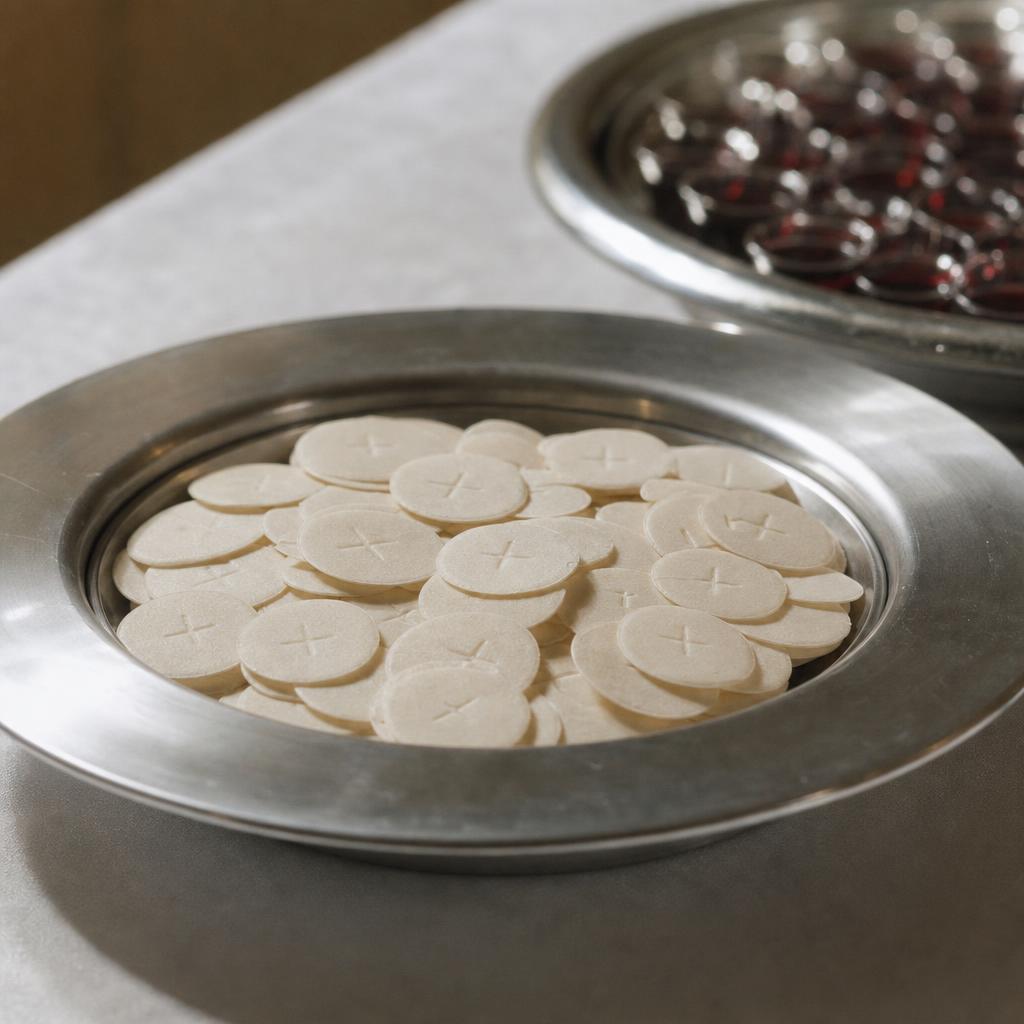
Matthew 7:21-23
“Not everyone who says to me, ‘Lord, Lord,’ will enter the kingdom of heaven, but only the one who does the will of my Father who is in heaven. Many will say to me on that day, ‘Lord, Lord, did we not prophesy in your name and in your name drive out demons and in your name perform many miracles?’ Then I will tell them plainly, ‘I never knew you. Away from me, you evildoers!’”
Read carefully what these people bring before Christ. Prophecy done in His name. Demons cast out in His name. Miracles performed in His name. By any religious measure, this is an impressive resume. These are not people who ignored God or lived carelessly. They performed exactly the kind of activity religion trains people to value. And Christ’s response has nothing to do with the quality of their performance. He does not say their miracles were fake or their prophecies were wrong. He says, I never knew you. The verdict is entirely relational. Impressive religious output, produced even in Jesus’ own name, does not substitute for being known by Him.
This is exactly what Paul encountered when he arrived in Athens, a city saturated with religious devotion.

Acts 17:22-23
“Paul then stood up in the meeting of the Areopagus and said: ‘People of Athens! I see that in every way you are very religious. For as I walked around and looked carefully at your objects of worship, I even found an altar with this inscription: to an unknown god. So you are ignorant of the very thing you worship, and this is what I am going to proclaim to you.’”
Paul did not accuse the Athenians of being irreligious. The opposite was true. He acknowledged how devoted they were, how many objects of worship filled their city. Their problem was not a lack of religious effort. All of that effort had been aimed at being thoroughly religious rather than at knowing God Himself. The altar to an unknown god gives away exactly what was driving them. It was a hedge, a way of covering every possible base in case some deity had been overlooked and might take offense at being left out. That impulse produced elaborate devotion without producing any actual relationship with the true God, who remained, by their own admission, unknown. Paul’s response was not to hand them a better set of religious practices. It was to introduce them to the God their religion had never reached.
This is the pattern that runs through both passages. Prophecy, miracles, altars, careful devotion, none of it substitutes for actually being known by God. A person can perform every religious act available and still hear the words Christ spoke to those claiming His name in Matthew 7. What separates entrance into the kingdom from exclusion has never been the volume or sincerity of religious activity. It has always been whether the person doing it is actually known by the one who holds all judgment in His hands.
Conclusion
The Father placed all judgment in the Son’s hands, and Christ described exactly what that judgment will hinge on. Not prophecy, not miracles, not religious performance of any kind, no matter how impressive it appears. Only whether He knows you. Paul found an entire city that had reached the limits of religious devotion and still stood before an unknown God. The same door stands open today that stood open in Athens. Entrance into the kingdom was never a matter of knowing enough or doing enough. It has always been a matter of being known by Him.

Moment Of Meditation
How does knowing that judgment is relational, shape how you pursue Christ?