Self-deception is an insidious condition. You will never meet a person who knows he is self-deceived. By definition, those ensnared are completely unaware that they are.
Tom Ascol
The story of Saul of Tarsus, who later became the Apostle Paul, presents one of the most dramatic conversions in the Bible. In Acts 9, we find Saul on the road to Damascus, armed with letters authorizing him to arrest followers of Christ. He was fully convinced that his persecution of Christians was a righteous service to God. This belief system, however, was about to be dramatically challenged. When we study Paul’s background, as he later described in Philippians 3, we can conclude that he probably felt he had every reason to believe he was righteous.
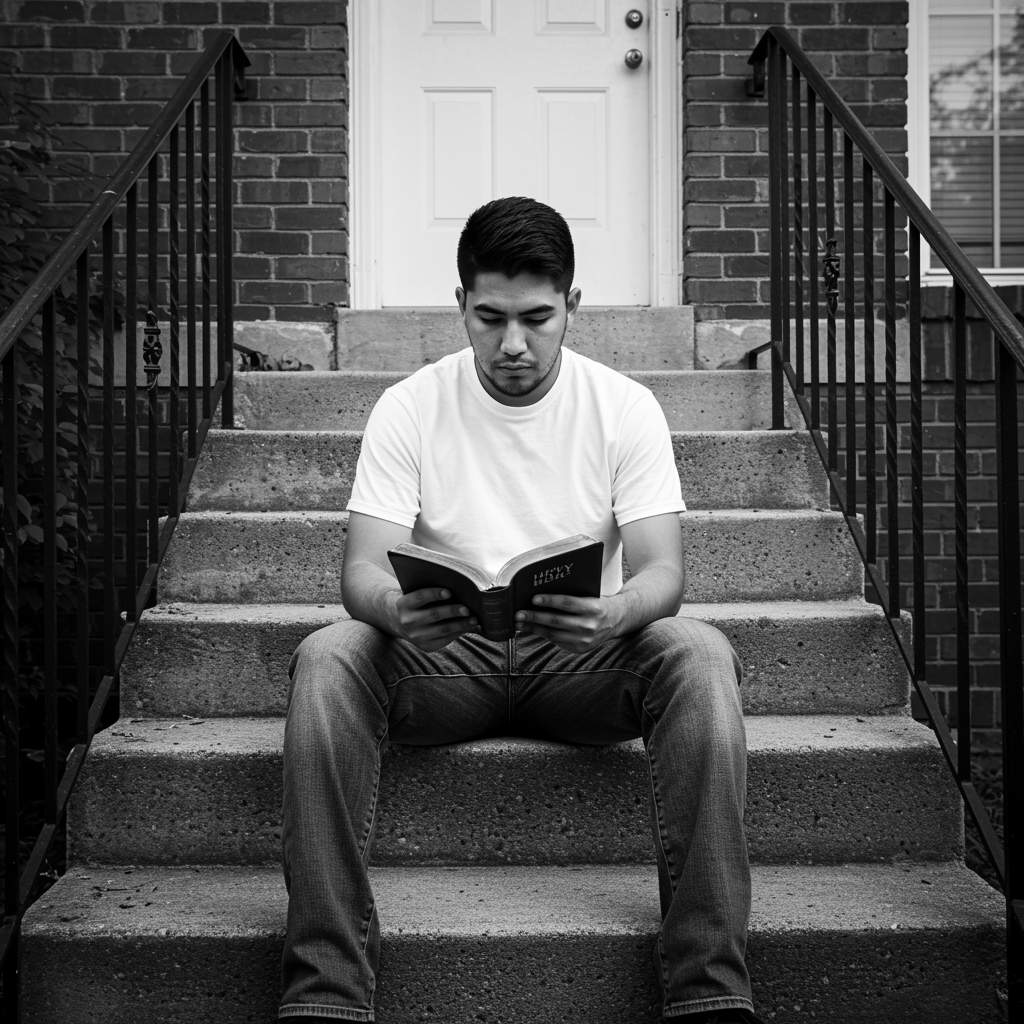
Philippians 3:4-6
If anyone else has a mind to put confidence in the flesh, I far more: 5 circumcised the eighth day, of the nation of Israel, of the tribe of Benjamin, a Hebrew of Hebrews; as to the Law, a Pharisee; 6 as to zeal, a persecutor of the church; as to the righteousness which is in the Law, found blameless.
By all external measures of his time, Paul was exemplary in his religious observance and commitment. Yet despite his credentials and sincere belief that he was serving God, Paul was fundamentally deceived. This reveals a critical spiritual principle: sincerity alone is insufficient. We can be sincerely committed to a path that directly opposes God’s will. Religious zeal, without proper understanding, can lead us to resist the very God we claim to serve.
When Christ appeared to Saul on the Damascus Road, the encounter brought him to a place of painful but necessary realization. This divine intervention forced Paul to confront several misconceptions.
First, what he believed about Jesus Christ was not true. Paul had rejected Jesus as the Messiah and considered His followers heretics. Suddenly, he was confronted by the risen Lord whom he had been persecuting.
Second, what he believed about Christ’s followers was not true. These weren’t misguided heretics but genuine believers following God’s chosen Messiah.
Third, and perhaps most crucially, what Paul believed about himself was not true. This final realization determined whether true transformation would occur in the life of Paul. He had to acknowledge that despite his religious credentials, he had been fighting against God rather than serving Him. The Apostle later warned believers about the danger of self-deception in 2 Corinthians 10.

2 Corinthians 10:12
12 For we are not bold to class or compare ourselves with some of those who commend themselves; but when they measure themselves by themselves and compare themselves with themselves, they are without understanding.
Self-deception often occurs when we create our own measuring stick for righteousness. Perhaps we think, “I’m not as judgmental as that person” or “At least I don’t struggle with the sins they do.” This comparative righteousness gives us false comfort while keeping us from confronting our true spiritual condition. Only by measuring ourselves against Christ—His teachings, His character, and His sacrifice—can we gain an accurate understanding of our spiritual state.
Like Paul, many of us may be operating under sincere but misguided beliefs. We might believe we’re serving God while actually resisting His purposes. We might consider ourselves spiritually mature while harboring attitudes that oppose Christ’s teachings. The remedy for this deception is the same one Paul experienced—a direct encounter with the truth of who Christ is.
Conclusion
When God “knocks us down,” He’s often revealing truths we’ve been unwilling or unable to see. This divine intervention, while potentially painful to our pride, is an act of love designed to free us from deception and bring us into alignment with His purposes. For Paul, the physical blindness he experienced for three days paralleled the spiritual blindness that had characterized his life until that moment.
As we examine our own lives, we should ask: Are there areas where I might be sincerely wrong? Have I created my own standard of righteousness rather than accepting God’s? Am I willing to have my misconceptions challenged by God’s truth? The path to spiritual growth begins with this willingness to be corrected, even when the truth contradicts our most cherished beliefs about ourselves.

Moment of Meditation
What specific truth about yourself have you found most difficult to admit during your spiritual journey?